No products in the cart.
Description
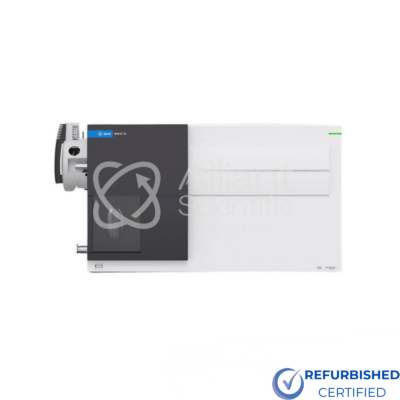
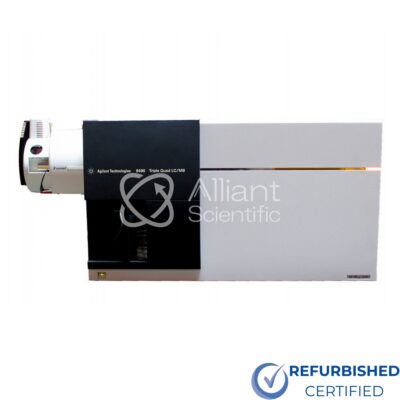
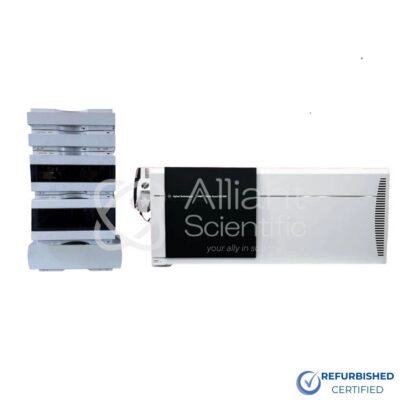
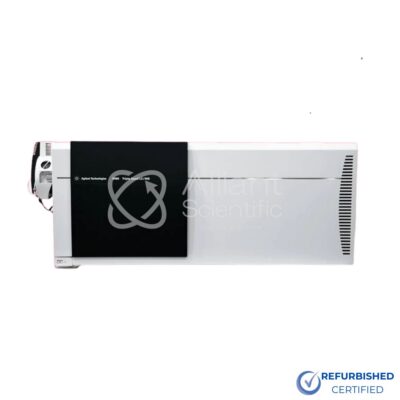
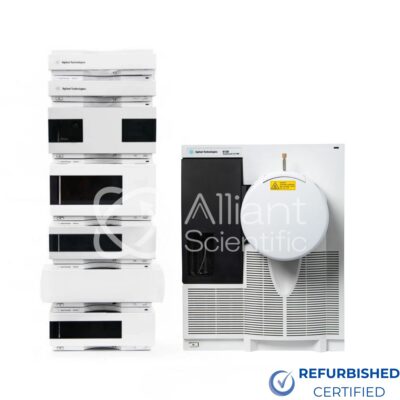
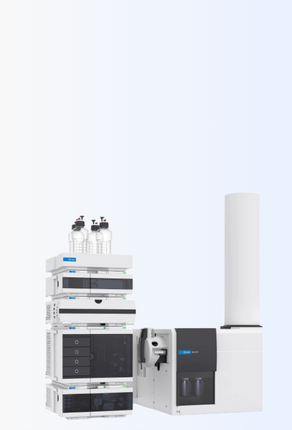
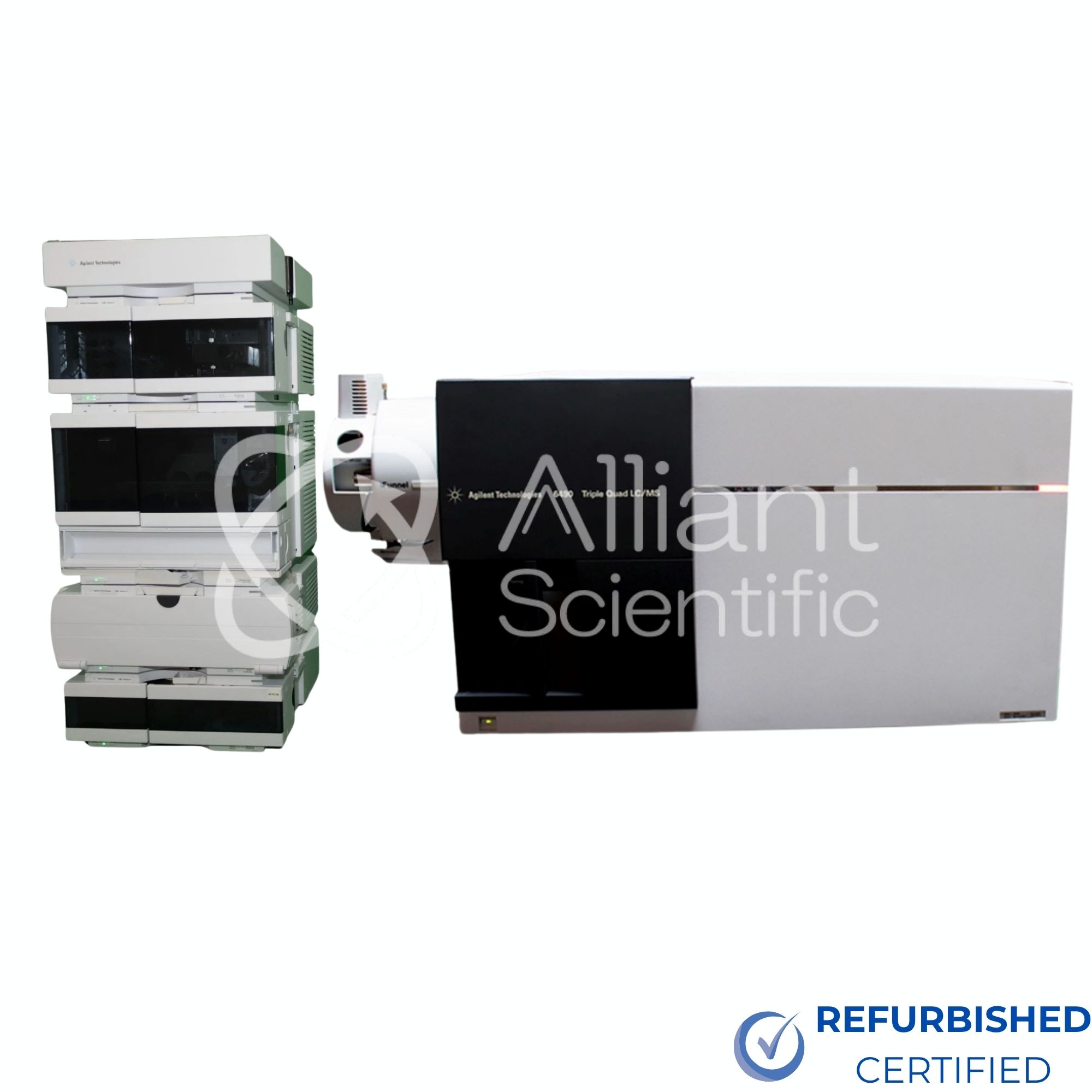
Agilent 6490 LC/MS Triple Quad System with 1260 Infinity II HPLC
Triple Quadrupole LC/MS Platform for High-Sensitivity Quantitative Analysis
The Agilent 6490 LC/MS Triple Quad System with 1260 Infinity II HPLC is a high-performance analytical platform engineered for ultra-sensitive and highly selective quantitative analysis across complex sample matrices. This fully integrated configuration combines advanced chromatographic separation with triple quadrupole mass spectrometry, delivering exceptional sensitivity, reproducibility, and analytical confidence. The system is designed to maintain stable gradient formation, precise flow control, and consistent sample introduction, ensuring high-quality chromatographic performance prior to mass analysis. Optimized temperature regulation and multicolumn capability support reproducible retention times and method flexibility, particularly in workflows requiring method switching or multiple column chemistries.
At the detection level, the triple quadrupole mass spectrometer enables targeted analysis using multiple reaction monitoring (MRM), providing superior selectivity and sensitivity for trace-level quantification. This makes the system especially effective for detecting low-abundance compounds in complex biological, environmental, and chemical matrices. The inclusion of a diode array detector (DAD WR) provides complementary UV-Vis spectral data, allowing additional confirmation of compound identity and supporting peak purity analysis alongside MS detection. The combination of MS and UV detection enhances analytical reliability and expands the range of detectable compounds.
Overall, this Agilent 6490 LC/MS system delivers a powerful balance of sensitivity, selectivity, and robustness, making it ideal for high-throughput laboratories requiring dependable quantitative performance and advanced analytical capabilities.
This refurbished Agilent 6490 LC/MS System has been fully tested and verified to be in proper working condition by Alliant Scientific.
Includes:
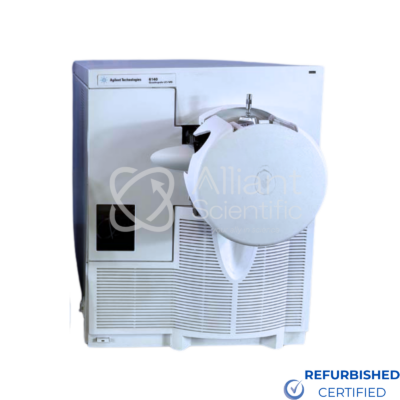
- Agilent 6490 Triple Quad LC/MS
- Jet Stream Source
- Two (2) Vacuum Pumps
- Agilent 1260 Infinity II HPLC System
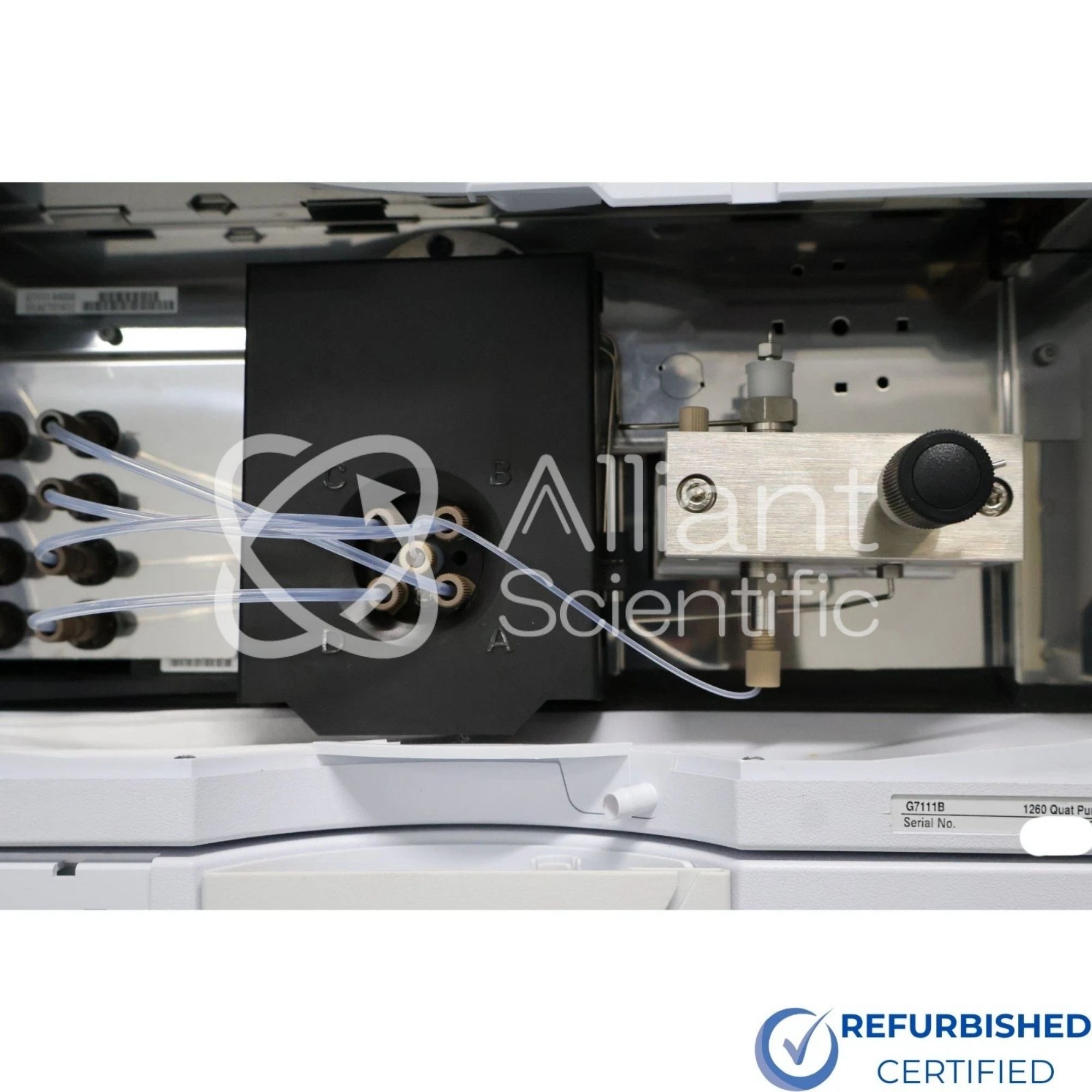
- G7111B Quat Pump
- Integrated Degasser
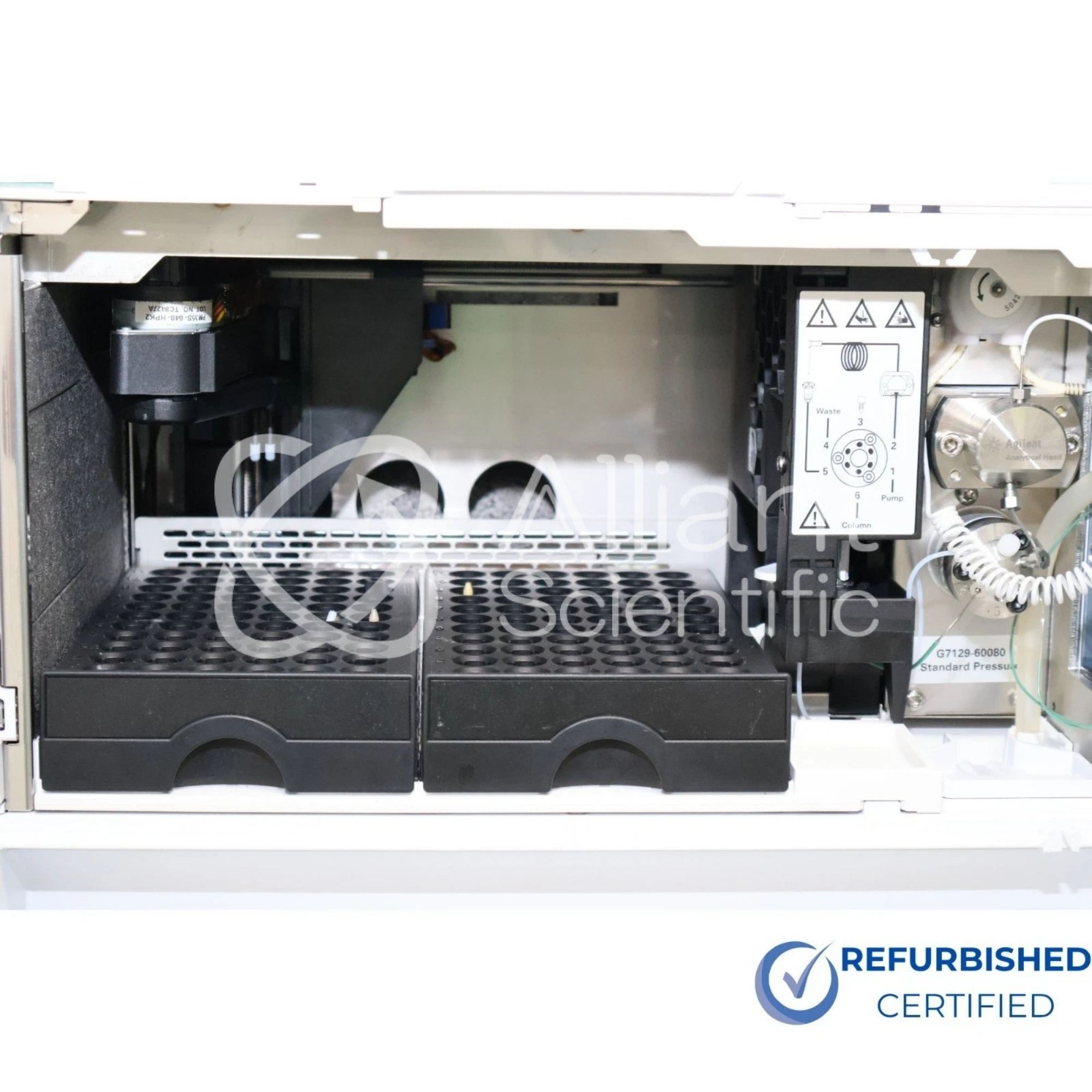
- G7129A Vialsampler
- G7116A MCT
- G7115A DAD WR
- G7111B Quat Pump
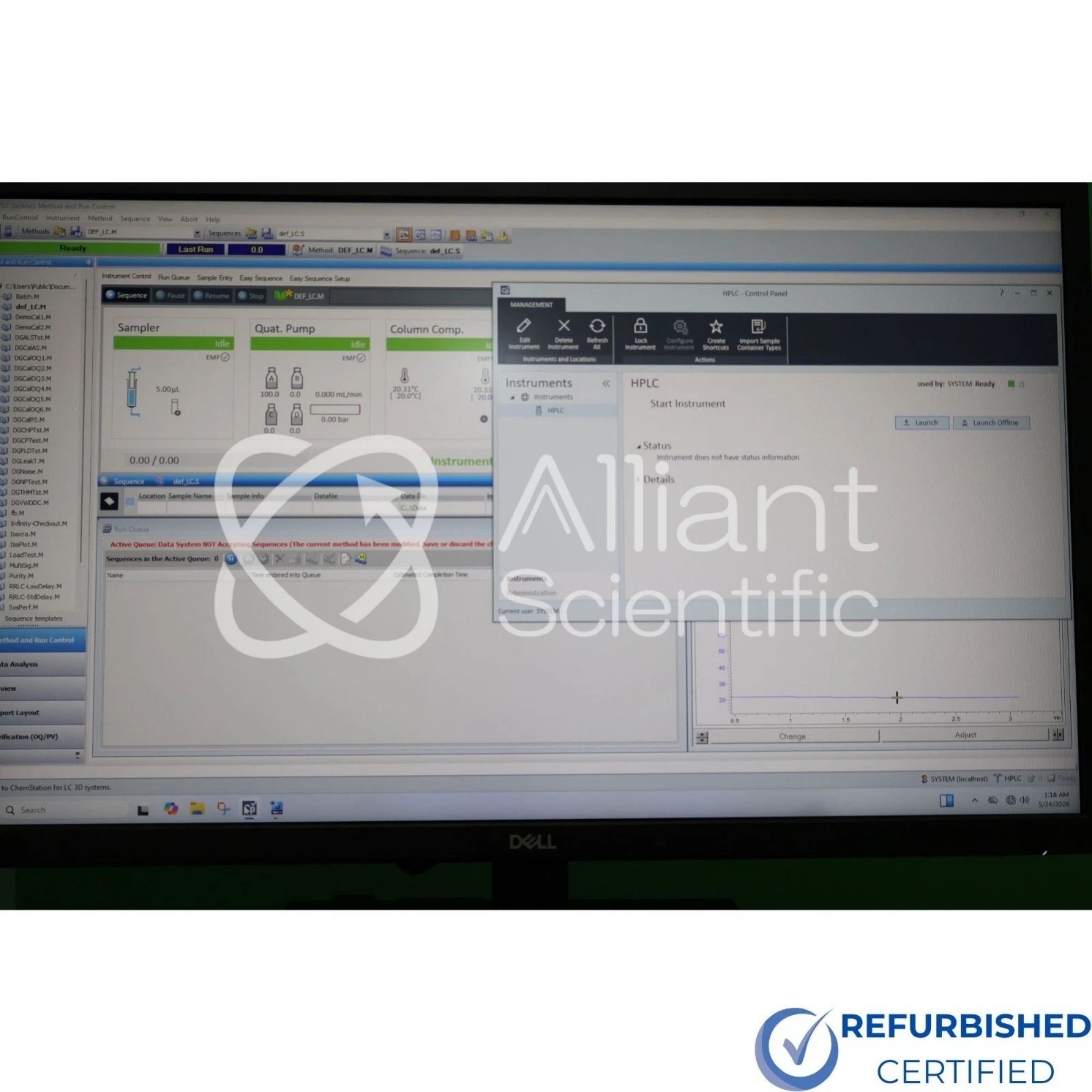
- Data System
- 90 Day Warranty Coverage
Optional:
- Premium refurbishment available with extended warranty options
Disclaimer: All brand names and trademarks are the property of their respective owners and are used for identification only. We are not an authorized dealer. Software, if included, is not transferable or upgradable.
Technical Specifications
| Agilent 6490 LC/MS System with 1260 Infinity II Front-End | |
| System Type | Triple quadrupole LC/MS system with integrated 1260 Infinity II HPLC front-end |
| Mass Analyzer | Triple quadrupole (QqQ) mass spectrometer for targeted quantitative analysis |
| Scan Modes | MRM, SIM, and full scan acquisition |
| Ionization Source | Electrospray ionization (ESI), compatible with APCI sources |
| Mass Range | Up to m/z ~3000 |
| LC Pump (G7111B) | 1260 Infinity II quaternary pump with low-pressure gradient mixing |
| Flow Rate Range | 0.001 – 10 mL/min |
| Autosampler (G7129A) | High-performance vial sampler with precision injection and low carryover |
| Injection Volume Range | ~0.1 – 100 µL |
| Column Compartment (G7116A) | Multicolumn thermostat (MCT) supporting multiple column configurations |
| Temperature Range | Ambient to ~80°C |
| Detector (G7115A DAD WR) | 1260 Infinity II diode array detector with wide wavelength range |
| Wavelength Range | ~190 – 950 nm |
| Sensitivity | High-sensitivity detection for trace-level quantitative analysis |
| Automation | Programmable sequence operation for batch analysis |
| Power Requirements | 100 – 240 V, 50/60 Hz |
``
Additional information
| Availability | |
|---|---|
| Brand | |
| Condition | |
| Model | |
| Onsite Installation | |
| Warranty |
Key Features
| Triple Quadrupole Detection | Provides ultra-sensitive and selective quantification using MRM |
| Dual Detection System | Combines MS detection with DAD WR for additional spectral confirmation |
| Advanced Gradient Control | Quaternary pump enables precise and reproducible solvent mixing |
| High Injection Accuracy | Autosampler ensures consistent sample introduction with minimal carryover |
| Multicolumn Capability | Supports multiple column configurations for method flexibility |
| Stable Thermal Environment | Temperature control improves retention time consistency |
| Trace-Level Sensitivity | Ideal for detecting low-abundance compounds in complex matrices |
| Efficient Workflow | Supports automated, high-throughput analytical processes |
Applications
| Pharmaceutical LC/MS Analysis | Quantification of APIs, impurities, and metabolites at trace levels |
| Bioanalytical Testing | Measurement of drugs and biomarkers in plasma, serum, and biological samples |
| Environmental LC/MS Testing | Detection of pesticides, contaminants, and emerging pollutants |
| Food Safety LC/MS Analysis | Identification of residues, additives, and contaminants in food products |
| Toxicology Screening | Detection and quantification of drugs and toxic substances |
| Chemical Analysis | Characterization of complex mixtures and trace components |
Frequently Asked Questions (FAQ)
| What is the primary purpose of a triple quadrupole LC/MS system? | It is used for highly sensitive and selective quantitative analysis of target compounds in complex samples. |
| What makes MRM important in LC/MS analysis? | MRM improves selectivity and sensitivity by monitoring specific ion transitions for target compounds. |
| Why combine LC with mass spectrometry? | LC separates compounds while MS provides molecular identification and trace-level detection. |
| What is the advantage of adding a DAD detector? | DAD provides UV-Vis spectral data for peak confirmation and purity assessment. |
| Is this system suitable for trace-level quantification? | Yes, it is specifically designed for detecting low concentrations in complex matrices. |
| What industries use LC/MS systems? | Pharmaceutical, environmental, food safety, clinical research, and chemical analysis laboratories commonly use LC/MS systems. |
“