No products in the cart.
Description
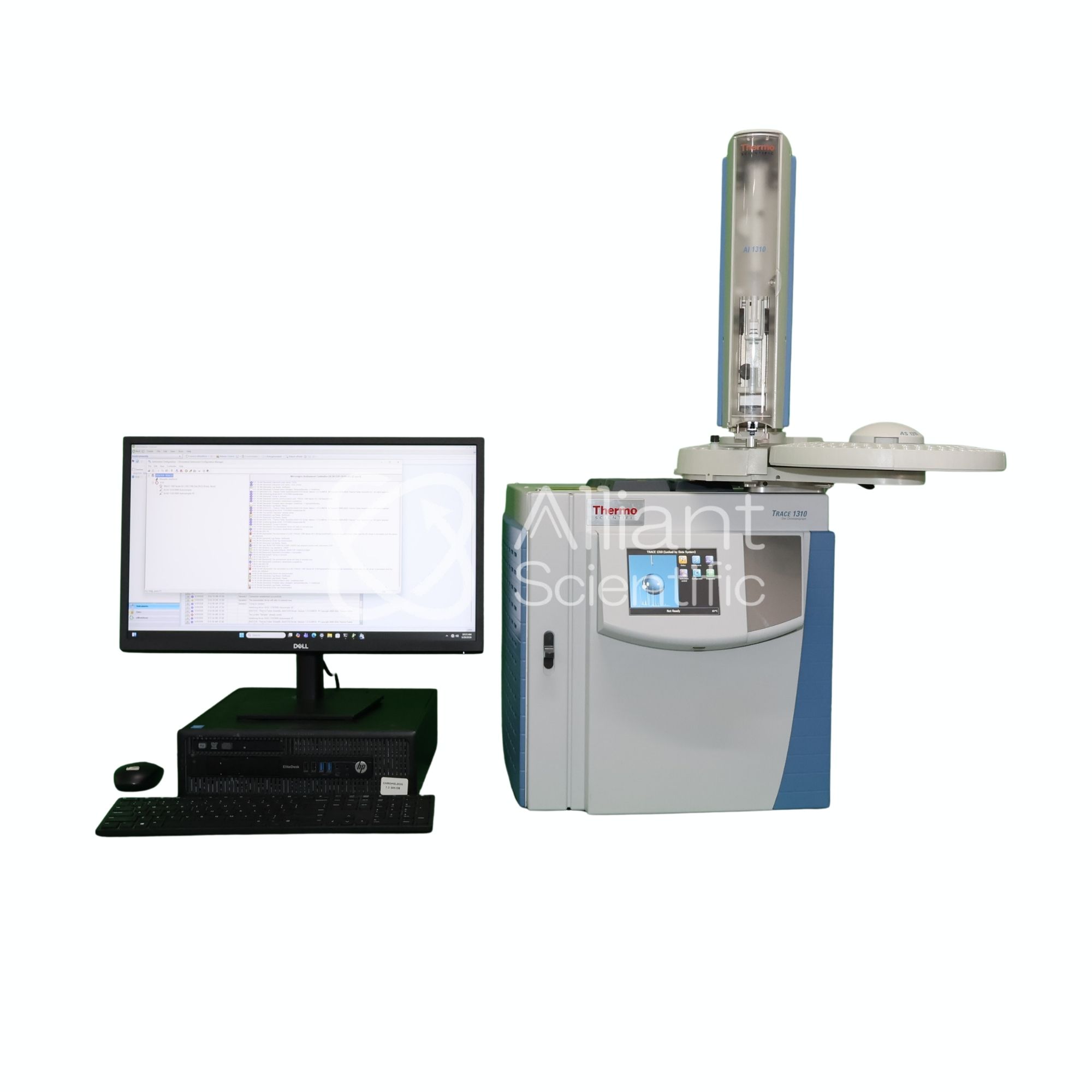
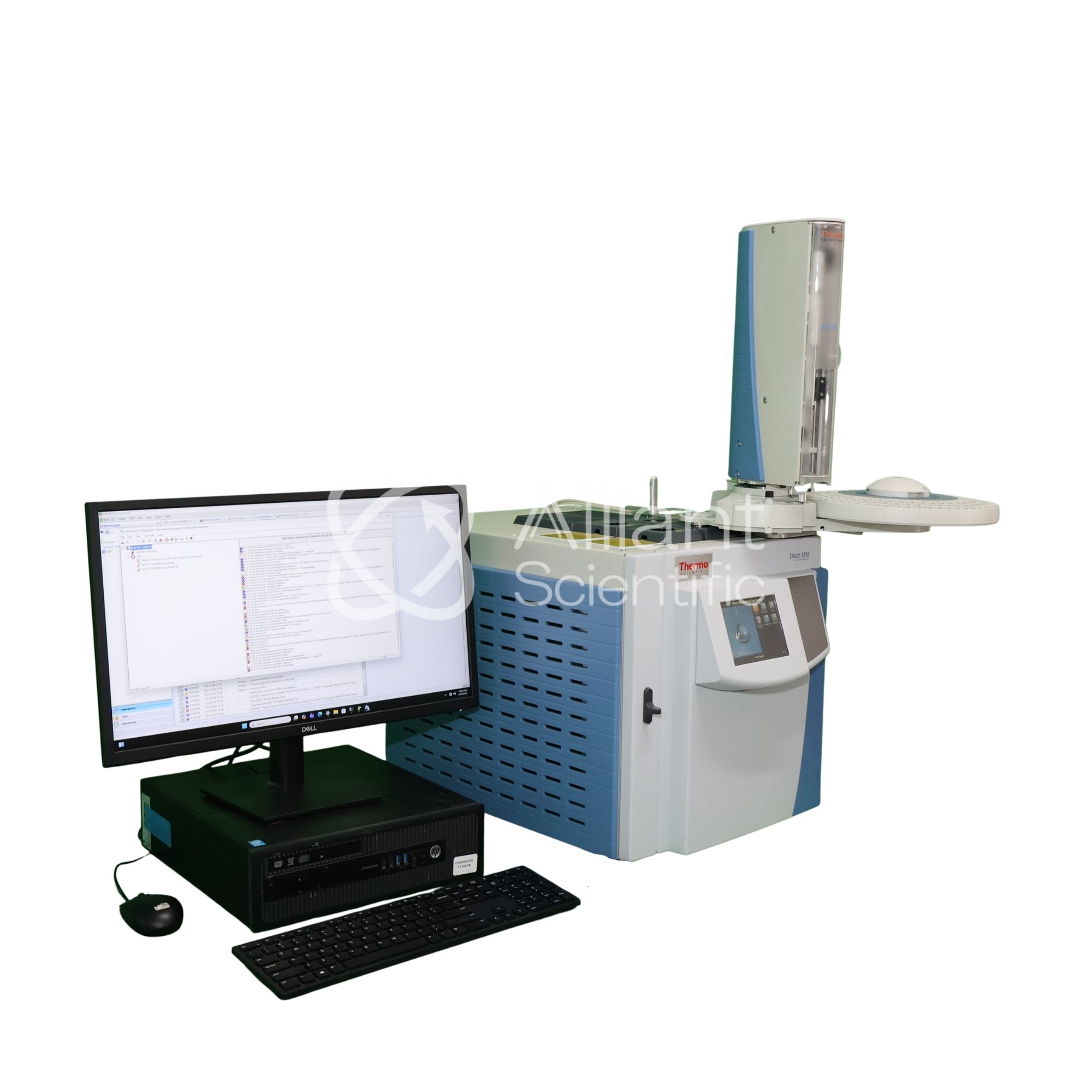
Thermo TRACE 1310 GC FID System with Autosampler Overview
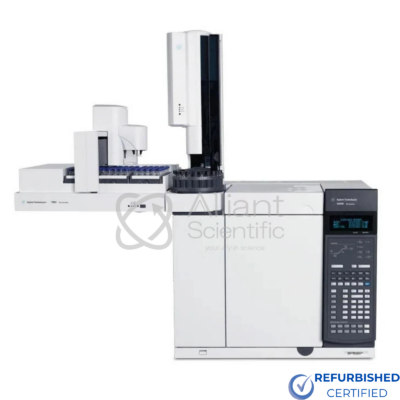
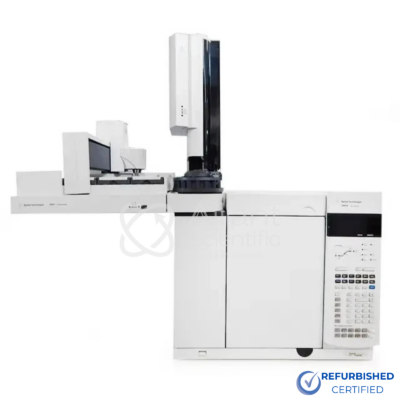
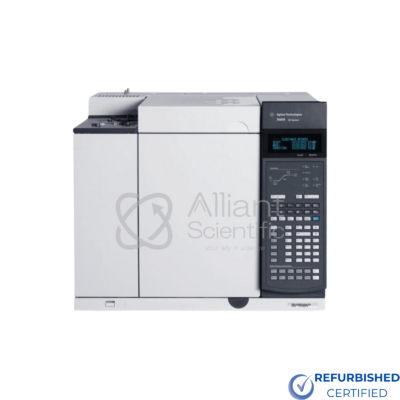
The Thermo TRACE 1310 GC FID System with Autosampler is a gas chromatography platform configured for quantitative analysis of organic compounds with reliable sensitivity and reproducible performance. Equipped with a flame ionization detector (FID), the system provides stable signal response across a wide linear range, making it suitable for routine and high-precision analytical workflows.
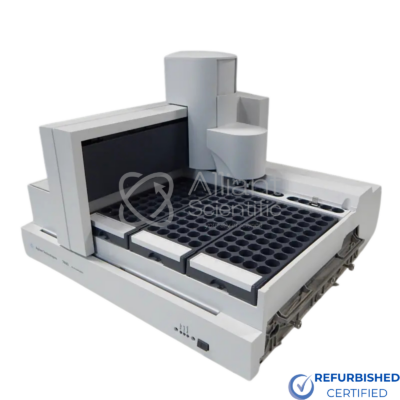
The system integrates a split/splitless inlet with electronic pressure control, enabling accurate carrier gas regulation and consistent sample introduction. The programmable oven supports multi-step temperature gradients, allowing efficient separation across a broad range of compound volatilities. An integrated 1310 AI/AS autosampler automates liquid injection, improving repeatability and supporting batch processing. The autosampler allows configurable injection parameters, including volume control and sequencing, to align with varying analytical methods. This configuration is commonly used in environmental analysis, petrochemical testing, and general laboratory applications requiring dependable quantification of hydrocarbons and related compounds.
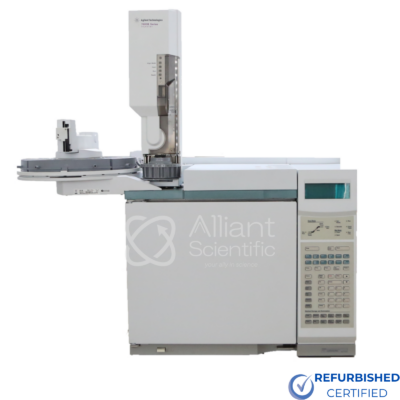
This Thermo Scientific TRACE 1310 GC-FID System with Autosampler is offered fully refurbished and tested, in working condition by Alliant Scientific.
Includes:
- Thermo Trace 1310 Gas Chromatograph (GC)
- Single Flame Ionization Detector (FID)
- Single Split/Splitless Inlet (SSL)
- Thermo 1310 AI/AS Autosampler
- Data System
- 60-Day Warranty Coverage
Disclaimer: All brand names and trademarks are the property of their respective owners and are used for identification only. We are not an authorized dealer of the original manufacturer. Software, if included, is not transferable or upgradable
Technical Specifications
| General | |
|---|---|
| Instrument Type | Gas chromatograph (GC) |
| Model | TRACE 1310 |
| System Configuration | Single FID detector with autosampler |
| Oven Type | Capillary column oven with programmable temperature control |
| Oven | |
| Temperature Range | Ambient +5 °C to 450 °C |
| Ramp Rate | Up to ~120 °C/min (configuration dependent) |
| Temperature Programming | Multi-step ramp and hold capability |
| Cooling Time | Rapid cool-down via forced air circulation |
| Detector (FID) | |
| Detector Type | Flame Ionization Detector (FID) |
| Sensitivity | ≤ 1 pg carbon/sec (typical) |
| Linear Dynamic Range | >10⁷ |
| Maximum Temperature | Up to 450 °C |
| Gas Requirements | Hydrogen, air, and makeup gas (nitrogen or helium) |
| Data Output | Analog and digital signal output |
| Inlet | |
| Injection Type | Split / splitless inlet |
| Maximum Temperature | Up to ~400 °C |
| Pressure Control | Electronic pressure control (EPC) |
| Carrier Gas | Helium, hydrogen, or nitrogen |
| Injection Volume | Typically 0.1 µL to 10 µL |
| Autosampler | |
| Model | 1310 AI/AS |
| Injection Type | Automated liquid injection |
| Sample Capacity | Multi-position vial tray (configuration dependent) |
| Injection Precision | High repeatability with low %RSD |
| Operation | Programmable injection sequences |
| Flow & Pneumatics | |
| Carrier Gas Control | Electronic pressure control (EPC) |
| Flow Modes | Constant flow, constant pressure |
| Gas Channels | Independent control for inlet and detector gases |
| Column Compatibility | |
| Column Type | Capillary columns |
| Column Length | Up to 100 m (typical compatibility) |
| Internal Diameter | 0.10–0.53 mm standard capillary range |
| Data & Control | |
| Software Compatibility | Chromatography data systems (e.g., Chromeleon) |
| Interface | Digital instrument control interface |
| Signal Acquisition | High-resolution digital data capture |
| Physical | |
| Configuration | Benchtop system |
| Design | Modular construction for serviceability |
| Access | Front-access maintenance design |
Additional information
| Availability | |
|---|---|
| Brand | |
| Condition | |
| Model | |
| Onsite Installation | |
| Warranty |
Key Features
- Flame Ionization Detector (FID) for accurate quantification of organic compounds
- Wide linear dynamic range for consistent response across varying concentrations
- Split/splitless inlet with electronic pressure control for precise sample introduction
- Programmable oven with multi-step temperature ramping for efficient separations
- 1310 AI/AS autosampler for automated, repeatable liquid injection
- High injection precision with low variability between runs
- Electronic pressure control (EPC) for stable carrier gas flow and pressure regulation
- Modular system design for accessible components and simplified servicing
- Compatible with capillary GC columns for flexible method development
- Integrated control with chromatography data systems for instrument operation and data acquisition
Applications
- Hydrocarbon analysis in petrochemical and refining processes
- Quantitative analysis of volatile and semi-volatile organic compounds (VOCs, SVOCs)
- Environmental sample testing for organic contaminants
- Food and flavor compound analysis
- Industrial quality control and process monitoring
- Solvent purity and chemical composition analysis
- Research and method development in analytical laboratories
- Routine GC analysis requiring stable and reproducible FID detection
User Manual – Thermo TRACE 1310 GC System
Frequently Asked Questions (FAQ)
Q: What type of detector is included in this system?
A: The system is equipped with a flame ionization detector (FID), commonly used for quantitative analysis of organic compounds with stable and consistent signal response.
A: The system is equipped with a flame ionization detector (FID), commonly used for quantitative analysis of organic compounds with stable and consistent signal response.
Q: What are the advantages of using an FID detector?
A: FID provides a wide linear dynamic range, strong sensitivity for hydrocarbons, and reliable quantification across varying concentration levels.
A: FID provides a wide linear dynamic range, strong sensitivity for hydrocarbons, and reliable quantification across varying concentration levels.
Q: Does this system include an autosampler?
A: Yes, a 1310 AI/AS autosampler is included for automated liquid injection, improving repeatability and supporting batch sample processing.
A: Yes, a 1310 AI/AS autosampler is included for automated liquid injection, improving repeatability and supporting batch sample processing.
Q: What type of injection modes are supported?
A: The system typically supports split and splitless injection, allowing flexibility for different analytical methods.
A: The system typically supports split and splitless injection, allowing flexibility for different analytical methods.
Q: What gases are required for operation?
A: Operation with an FID requires hydrogen and air for the detector flame, along with a carrier gas such as helium, hydrogen, or nitrogen.
A: Operation with an FID requires hydrogen and air for the detector flame, along with a carrier gas such as helium, hydrogen, or nitrogen.
Q: What types of samples can be analyzed with this system?
A: The system is suitable for analysis of volatile and semi-volatile organic compounds, including hydrocarbons and solvents.
A: The system is suitable for analysis of volatile and semi-volatile organic compounds, including hydrocarbons and solvents.
Q: Is the system compatible with chromatography software?
A: Yes, it is compatible with standard chromatography data systems such as Chromeleon for instrument control and data acquisition.
A: Yes, it is compatible with standard chromatography data systems such as Chromeleon for instrument control and data acquisition.
Q: Can the system be used for routine analysis?
A: Yes, it is well suited for routine laboratory workflows requiring consistent performance and reliable quantitative results.
A: Yes, it is well suited for routine laboratory workflows requiring consistent performance and reliable quantitative results.
Q: What industries commonly use this configuration?
A: This setup is commonly used in environmental testing, petrochemical analysis, food and flavor analysis, and general laboratory research.
A: This setup is commonly used in environmental testing, petrochemical analysis, food and flavor analysis, and general laboratory research.